
Stop Paying 30% Commissions and Regain Control With a Simple In-House System
You look at the end-of-night receipt tape, and the top-line number looks healthy. The kitchen was slammed, the drivers were in and out the door constantly, and the chaos didn't stop until closing. But when you look at the actual deposit hitting your bank account after the delivery apps take their cut, the math doesn't make sense. You did the work, bought the ingredients, and paid the staff, yet a massive slice of your profit vanished into a "commission" fee for a tech company that never stepped foot in your kitchen.
It is an exhausting reality for independent owners. You know you are overpaying for third-party delivery, and you know you should probably have your own ordering system. But then the hesitation sets in. You look at the digital kiosks in the big chains or the fancy apps your competitors have, and you think: I don't have the time, the budget, or the technical skills to build all that.
The Fear of Trading One Problem for a Bigger One
The dominant objection keeping you stuck in this cycle isn't that you love paying 30% commissions. It’s the belief that implementing your own technology is too complex, too expensive, and too distracting for a small operation to handle.
You are already wearing every hat in the business—head chef, HR manager, accountant, and plumber. The idea of becoming an "IT director" on top of that feels impossible. You worry that if you try to install kiosks or set up a new ordering system, it will crash in the middle of a rush, confuse your regulars, or require hours of troubleshooting you simply don't have. It feels safer to just pay the delivery app ransom than to risk disrupting the delicate balance of your daily operations.
But take a moment to play that movie forward. If you continue to rely entirely on third-party platforms, you aren't just losing money today; you are slowly eroding the foundation of your business.
Every order that goes through a third-party app is a customer you don't actually know. You don't have their email, their preferences, or a way to bring them back if the app decides to rank your competitor higher next week. You are building someone else's database, not your own. Over time, as labor costs rise and ingredient prices spike, that 30% commission goes from being "annoying" to being the difference between staying open or closing down. The pattern leads to a future where you are effectively a ghost kitchen working for a digital landlord, with zero control over your own destiny.
The cost of inaction is not just lost profit—it is lost independence.
See if your restaurant qualifies for a streamlined, commission-free system.
A Practical Employee, Not a Tech Project
The mistake is viewing technology as a "project" you have to manage, rather than a tool that works for you. [MyShop Technologies Kiosks and Order Management System](MyShop Technologies Kiosks and Order Management System) isn't designed for IT departments; it is designed for the chaotic reality of a single-location restaurant.
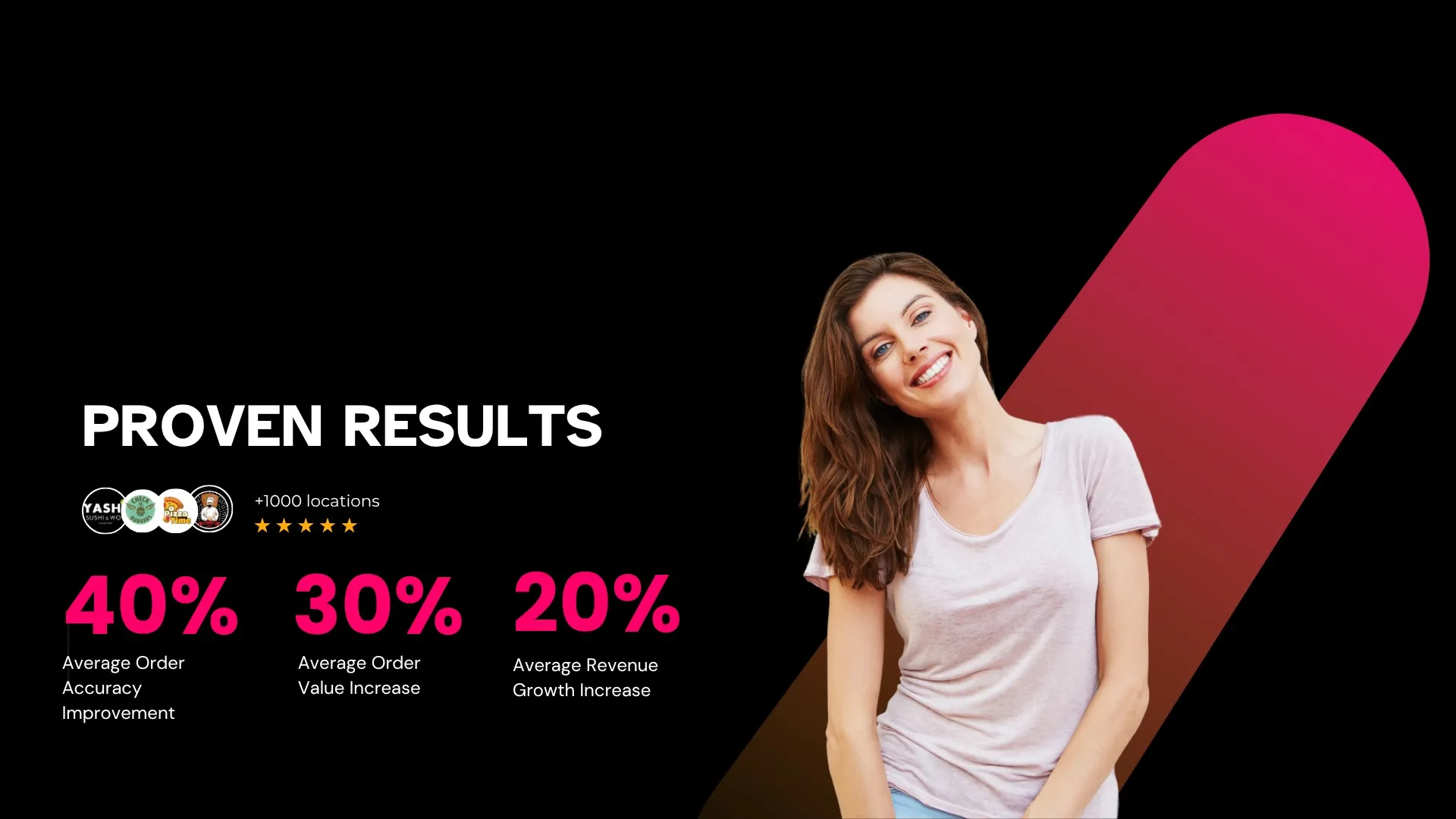
Think of the system not as "software," but as your most reliable employee. The self-service kiosk doesn't get overwhelmed during the lunch rush. It never forgets to ask a customer if they want to add a drink or a side—an upsell that happens automatically on every single order, boosting your average ticket size without you saying a word.
Similarly, the AI voice ordering feature isn't a gimmick; it’s a way to stop the phone from ringing off the hook while you’re trying to expedite orders. It answers calls in six languages, takes the order perfectly, and sends it to the kitchen. You don't have to train it, and it doesn't call in sick.
By owning the ordering channel—whether through a branded web app, a kiosk, or AI—you stop renting your customers and start owning them. You capture the data. You keep the commission. You control the relationship. This isn't about becoming a tech company; it's about using a "plug-and-play" tool to clear the noise so you can focus on the food.
Here is why this shift is safer than staying put:
- Immediate Margin Relief: Stop bleeding 15–30% on every order; the money stays in your till from day one.
- Labor Efficiency: Kiosks and AI handle the repetitive intake tasks, freeing your actual staff to run food and manage the floor.
- Data Ownership: You get the customer lists for marketing, meaning you can drive repeat business on your terms.
- Proven Stability: The system integrates with your existing operations (POS, printers) so you aren't reinventing your workflow, just optimizing it.
The Low-Risk Path Back to Profitability
You don't have to overhaul your entire restaurant overnight. The smartest way to approach this is to treat it as a pilot. You can start by introducing a kiosk or the AI voice answering service and watching the numbers for two weeks.
Look for two things: the increase in average ticket size (kiosks are notorious for successful upselling) and the reduction in wasted staff time on the phone. If the system frees up even five hours of labor a week and saves you the commission on just 20% of your delivery volume, the ROI becomes undeniable. If it doesn't work, you aren't locked into a catastrophic failure; you are simply testing a new way to work.
You might worry that customers will reject the screens or that the "human touch" will be lost. The reality is that modern diners, especially during busy rushes, value speed and accuracy above all else. They appreciate not having to shout over the noise to place an order, and they like seeing exactly what they are paying for. The "human touch" is better spent on delivering hot food and a warm smile, not on punching buttons into a register.
You built your business to be independent. You created the menu, you found the location, and you built the reputation. You deserve to keep the profit that comes from that hard work. Don't let the fear of a learning curve keep you tethered to a system that drains your bank account.
Take the first step toward owning your orders and your future.
Book a free demo to see how the numbers work for your specific location.